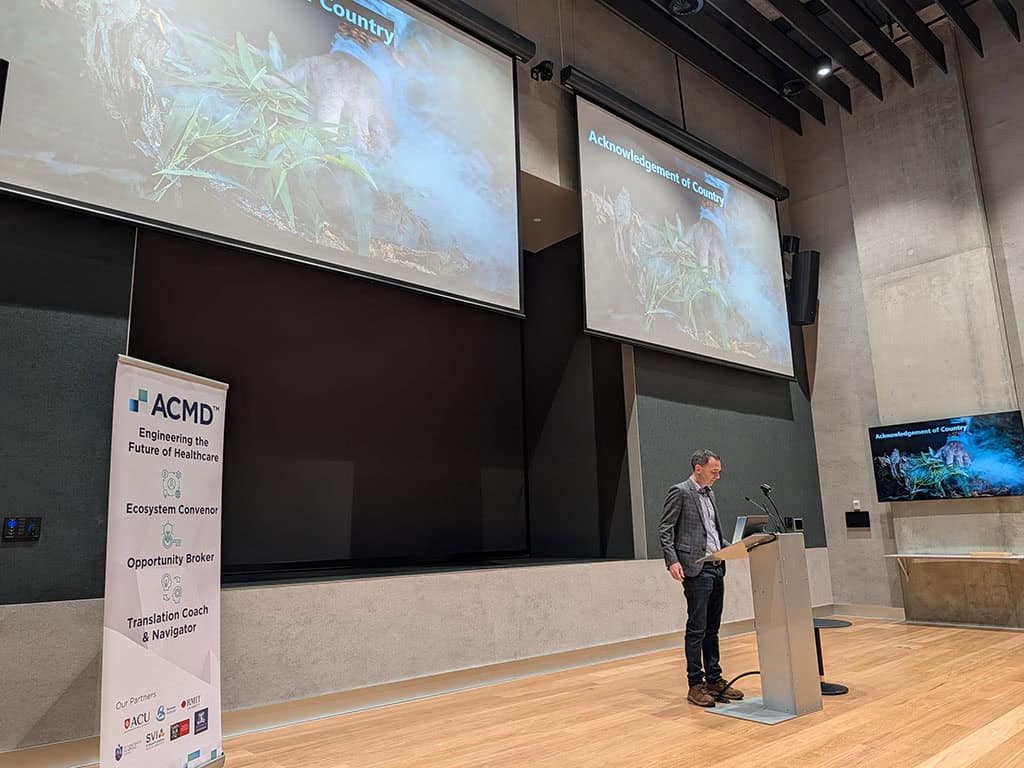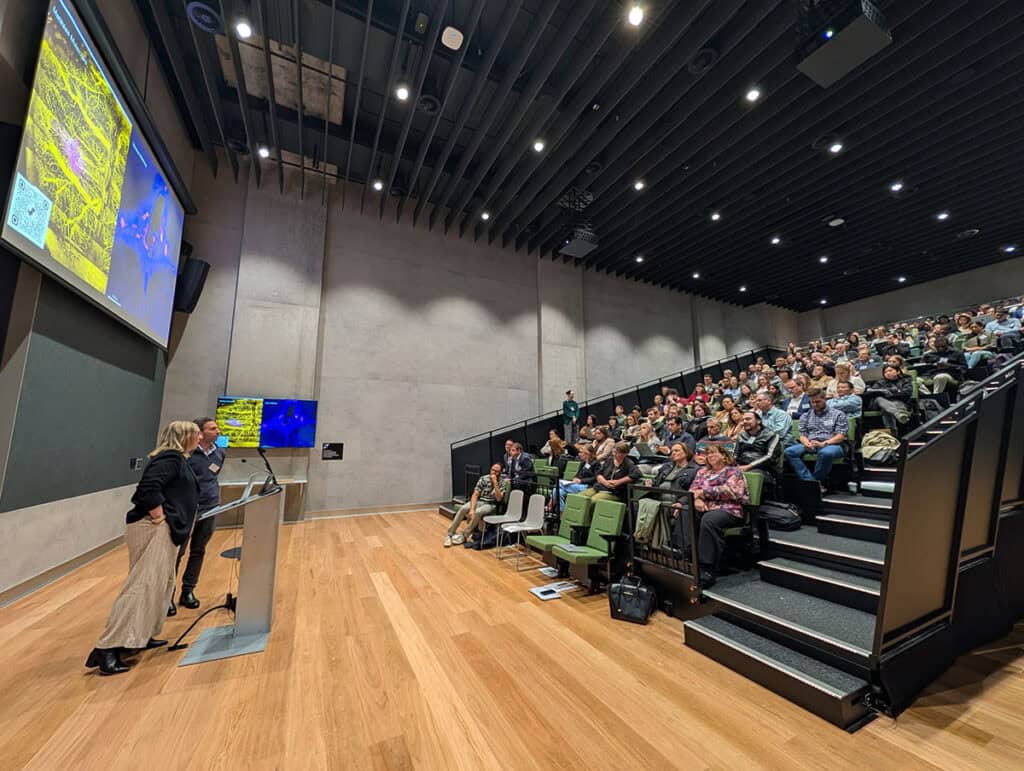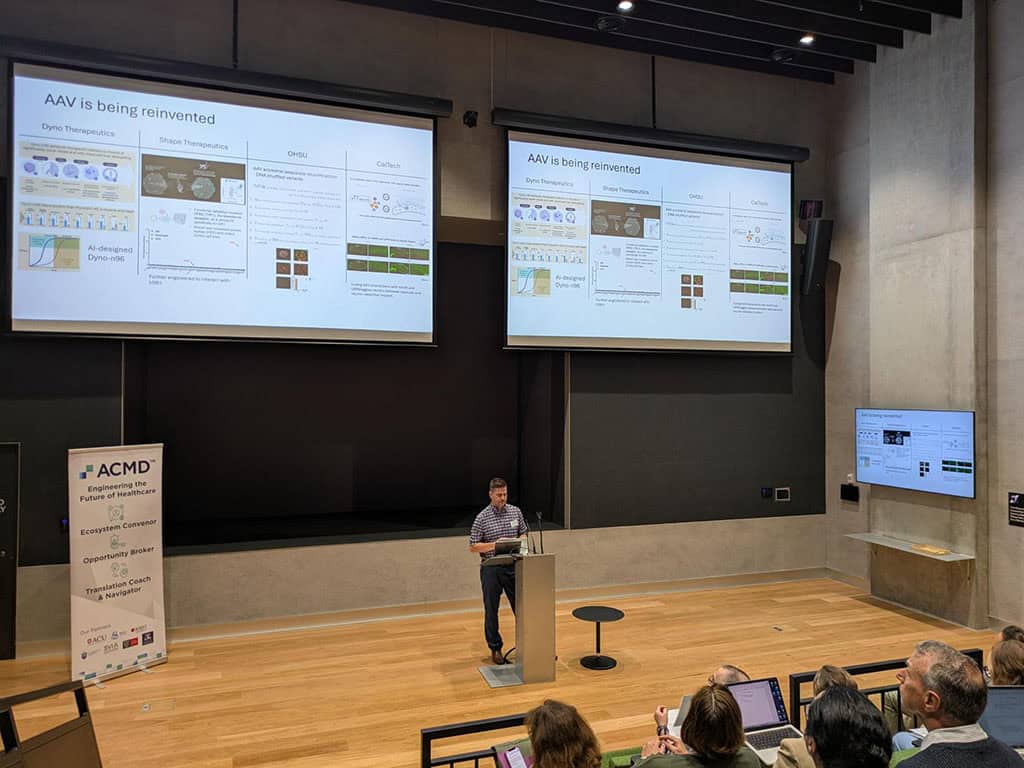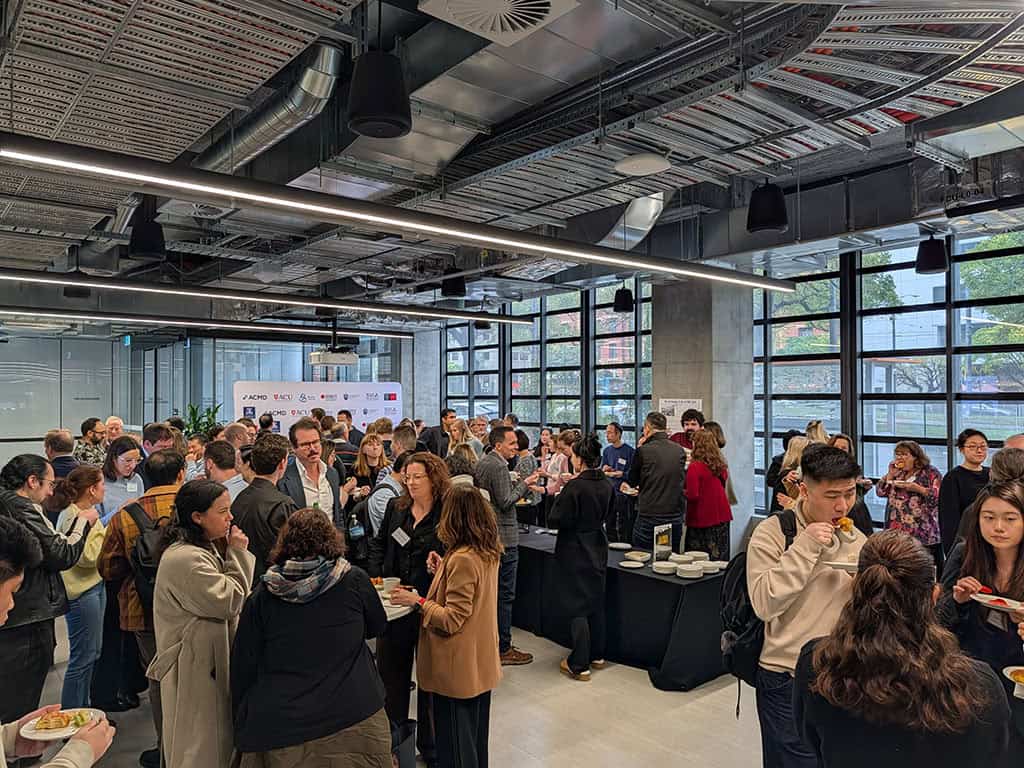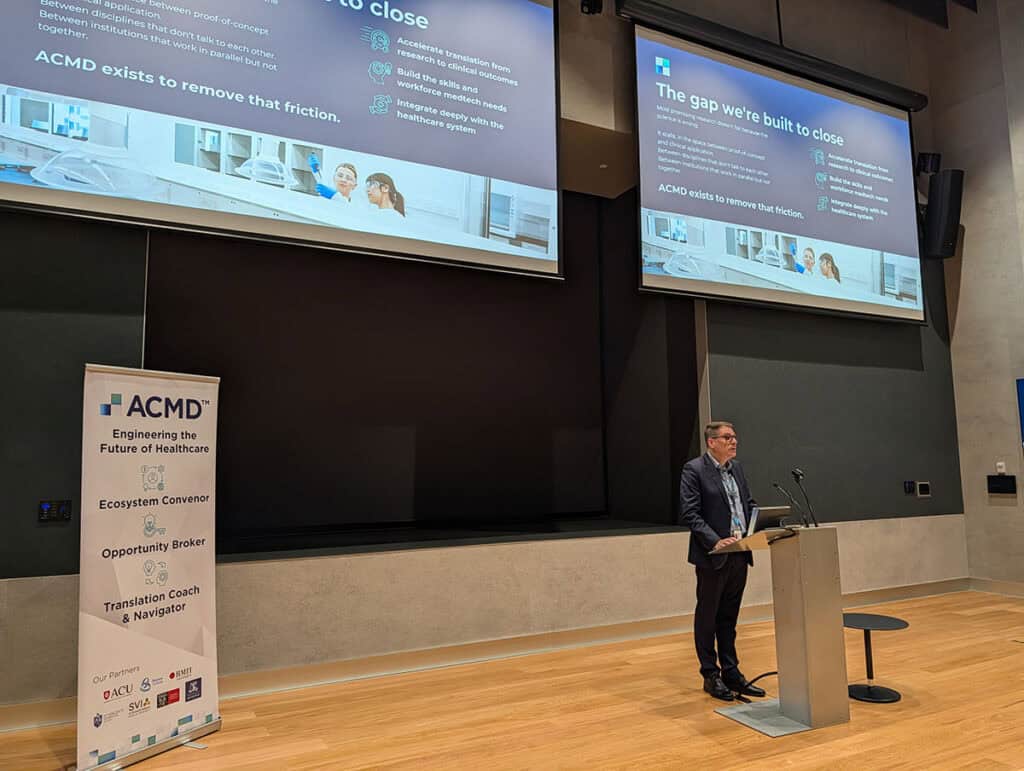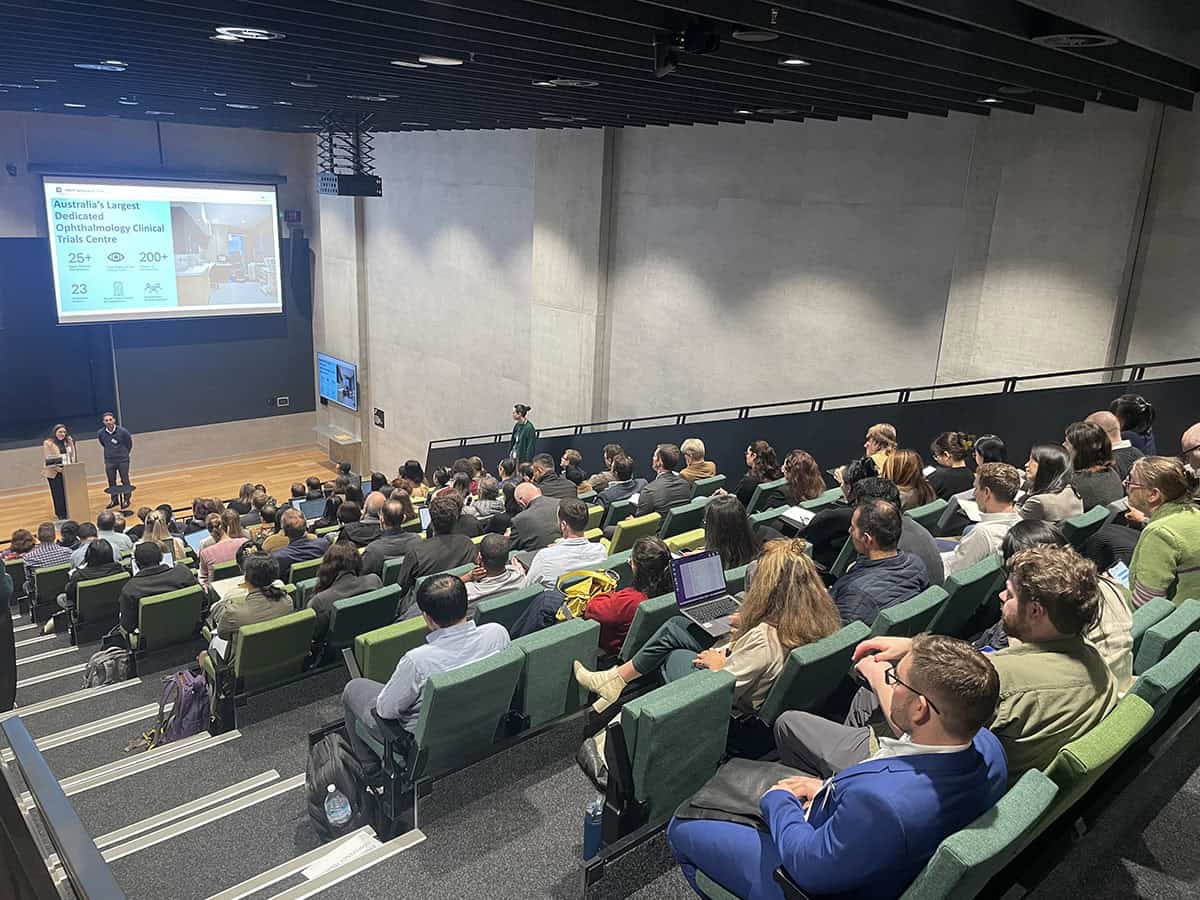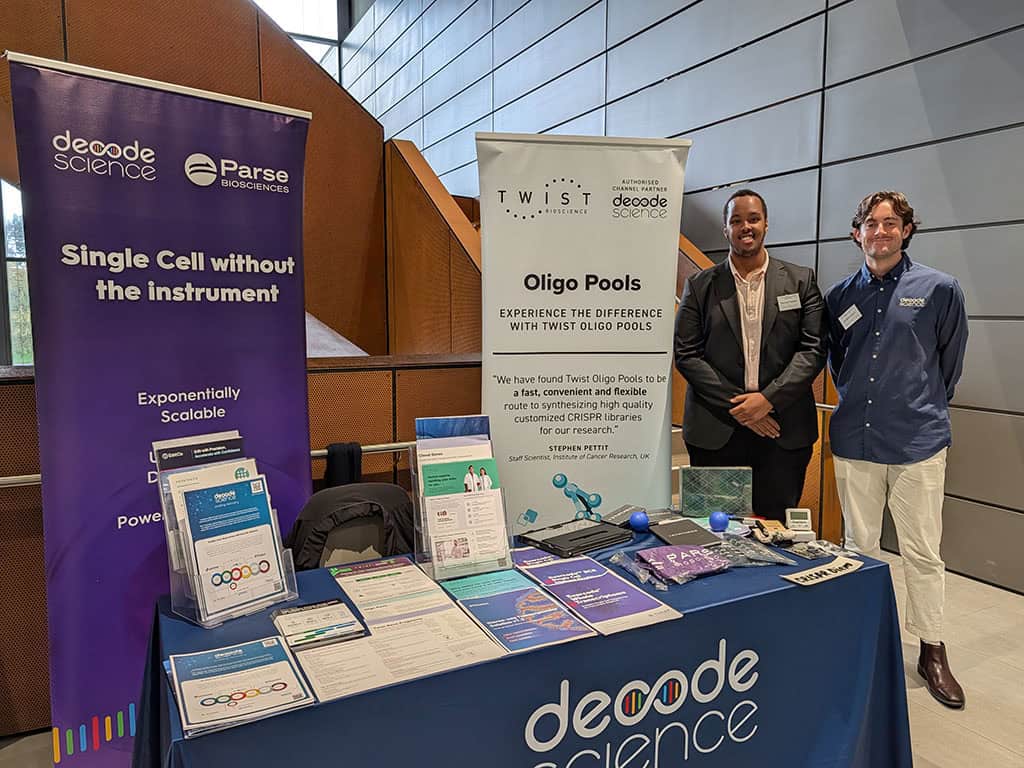

Held at the Aikenhead Centre for Medical Discovery (ACMD), the 2026 Symposium showcased the rapidly evolving cell and gene therapy landscape, with a strong focus on translation from discovery through to clinical application and the expanding capabilities across the Victorian ecosystem.
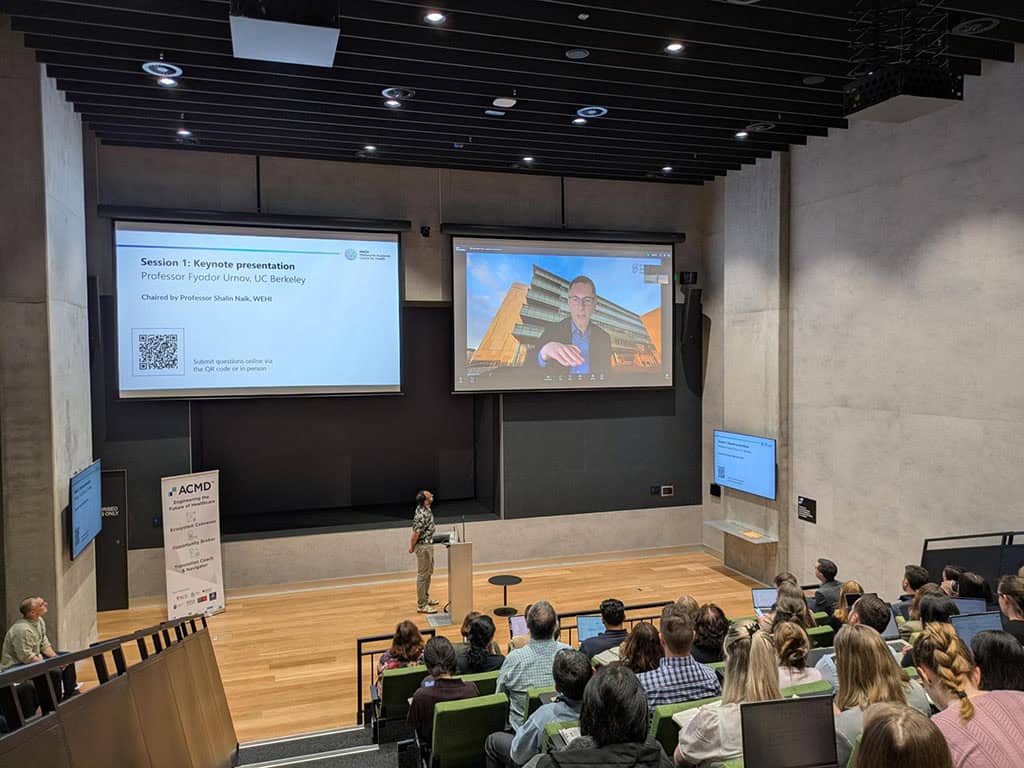
The program featured a keynote presentation from Professor Fyodor Urnov of UC Berkeley, alongside speakers from clinical research, biotechnology, manufacturing and industry.
Professor Urnov presented a landmark case study that demonstrated the development of a CRISPR gene-editing medicine within just 10 weeks for a child with a severe inborn error of immunity.
His presentation highlighted the transformative potential of precision gene editing and the increasing speed at which therapies are beginning to move from concept to clinical application.
Across the day, discussions explored local capability and infrastructure, regulatory approaches – including a shift towards platform-based models – and the role of emerging technologies in advancing clinical applications.
A key theme of the symposium was the regulatory environment required to support innovation.
Professor John Skerritt AM (University of Melbourne) examined how Australia might evolve its regulatory frameworks for cell and gene therapies, while Dr Thomas Wechsler (formerly Johnson & Johnson Gene Therapy) shared insights into emerging international approaches, including the FDA’s ‘plausible mechanism’ framework.
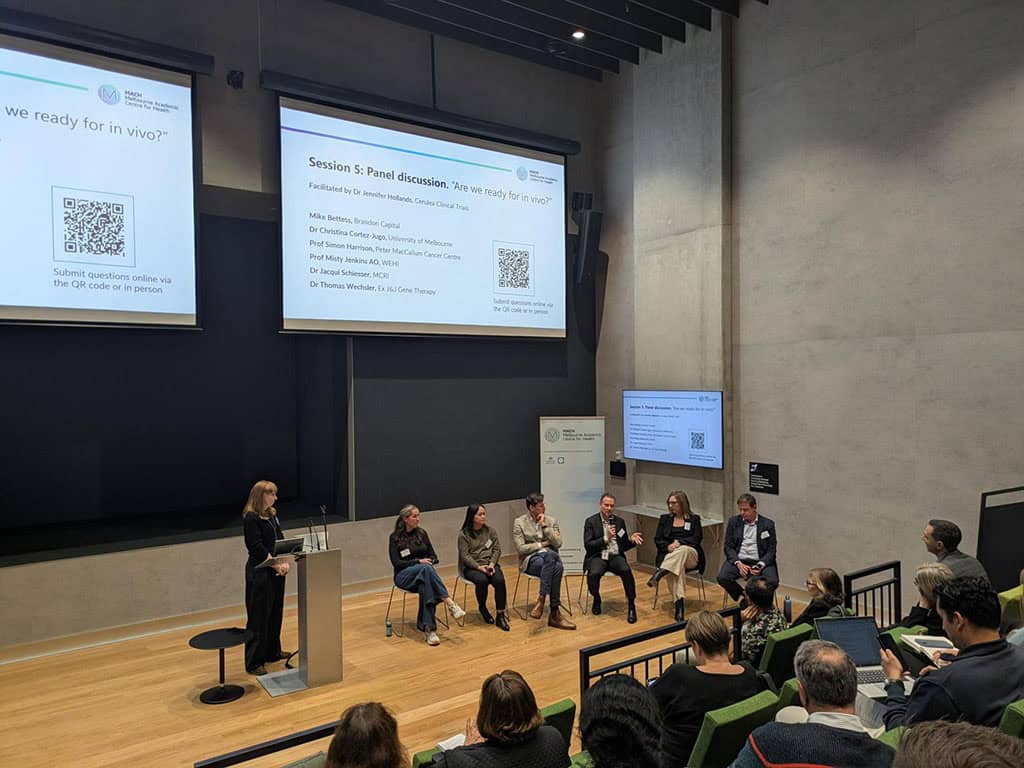
These perspectives informed a panel discussion between leaders from academia, clinical practice and investment on the question: ’Are we ready for in vivo?’
Their discussion highlighted both the promise of in vivo therapies and the need for more coordinated approaches across research, regulation and funding.
MACH Cell and Gene Therapies Committee Co-Chair Professor Enzo Porrello said integrating these advances into healthcare systems presents a significant opportunity for the sector.
“There is strong momentum across the field, and a growing opportunity to translate these advances into meaningful outcomes for patients.
“Realising that potential will rely on effective coordination across discovery science, clinical development and delivery, supported by the right infrastructure.”
Committee Co-Chair Professor Christine Wells said this progress creates a need for stronger alignment across the sector as therapies move closer to clinical use.
“As these therapies continue to advance towards routine care, alignment across research, regulation and delivery will be critical to supporting both innovation and patient access.
“Bringing these elements together early positions the system to respond effectively as new therapies emerge.”
The Symposium reflects MACH’s ongoing commitment to convening leaders across research, healthcare and industry to accelerate the translation of cutting-edge discoveries into improved patient outcomes.
The event was kindly supported by ACMD, St Vincent’s Institute for Medical Research, Cytiva, Decode Science, MCRI ReNEW, and Scientifix.