
Aboriginal Health Showcase 2026
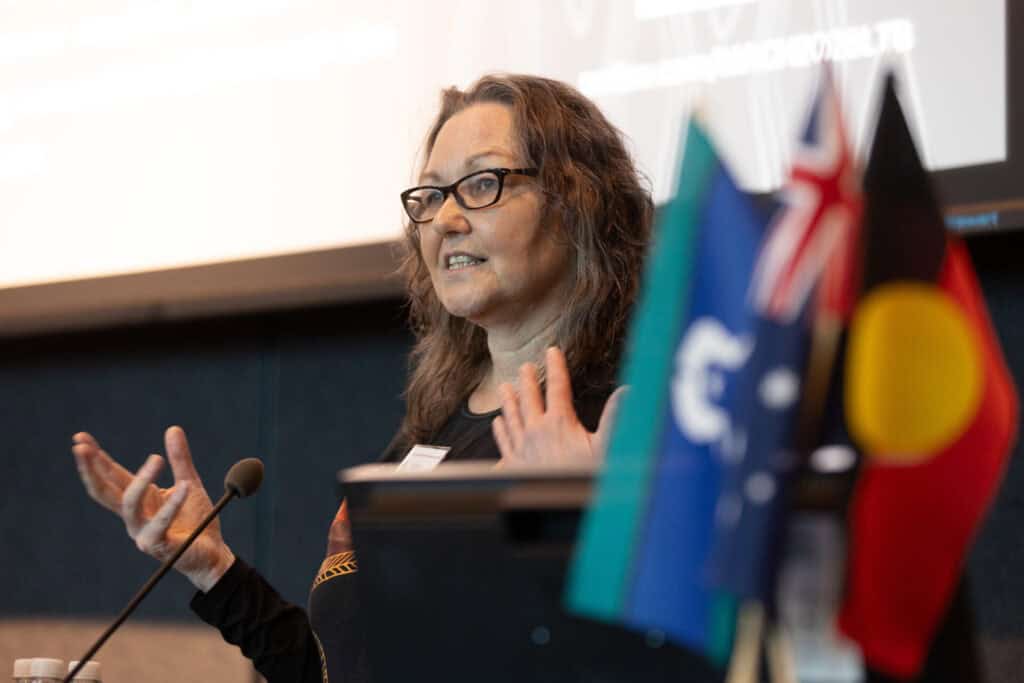
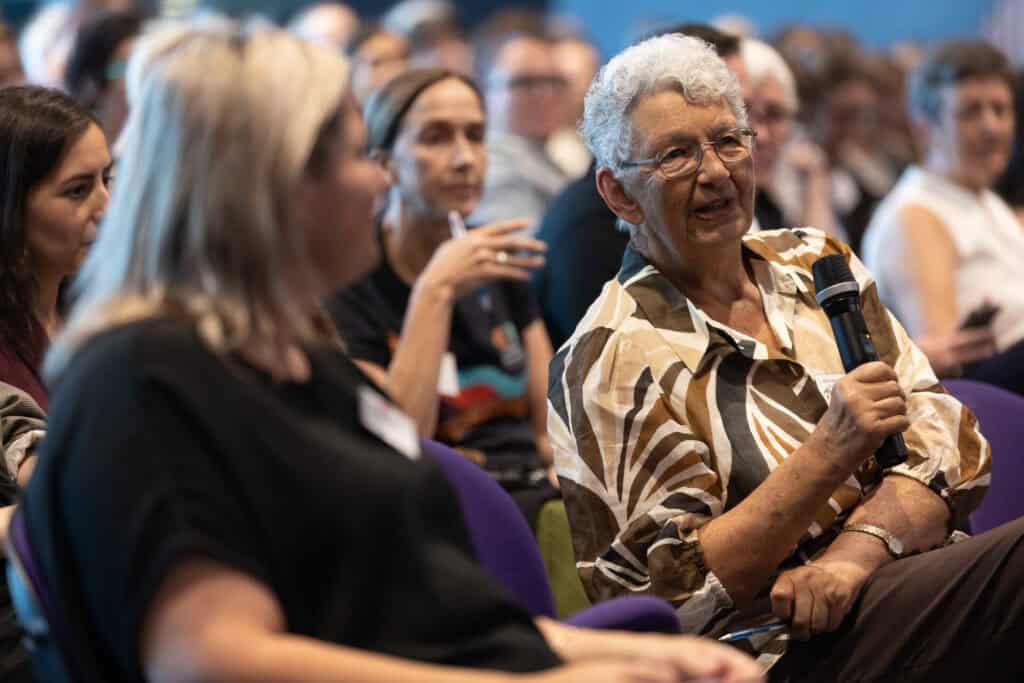
The 2026 MACH Aboriginal Health Showcase brought together Aboriginal and Torres Strait Islander leaders, community members, clinicians, researchers and partners from across Victoria for two days of learning, connection and knowledge sharing.

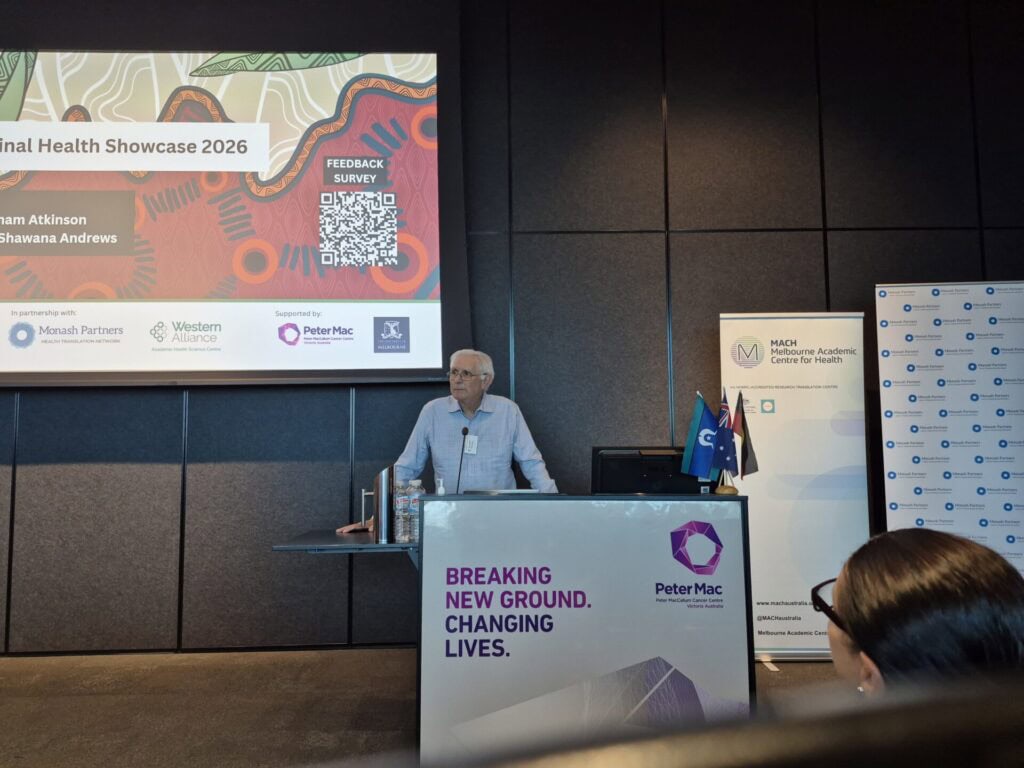
Hosted by the MACH Aboriginal Leadership Group in partnership with Monash Partners Health Translation Network and Western Alliance Academic Health Science Centre, the Showcase highlighted Aboriginal led programs, research and initiatives responding to community identified health priorities.
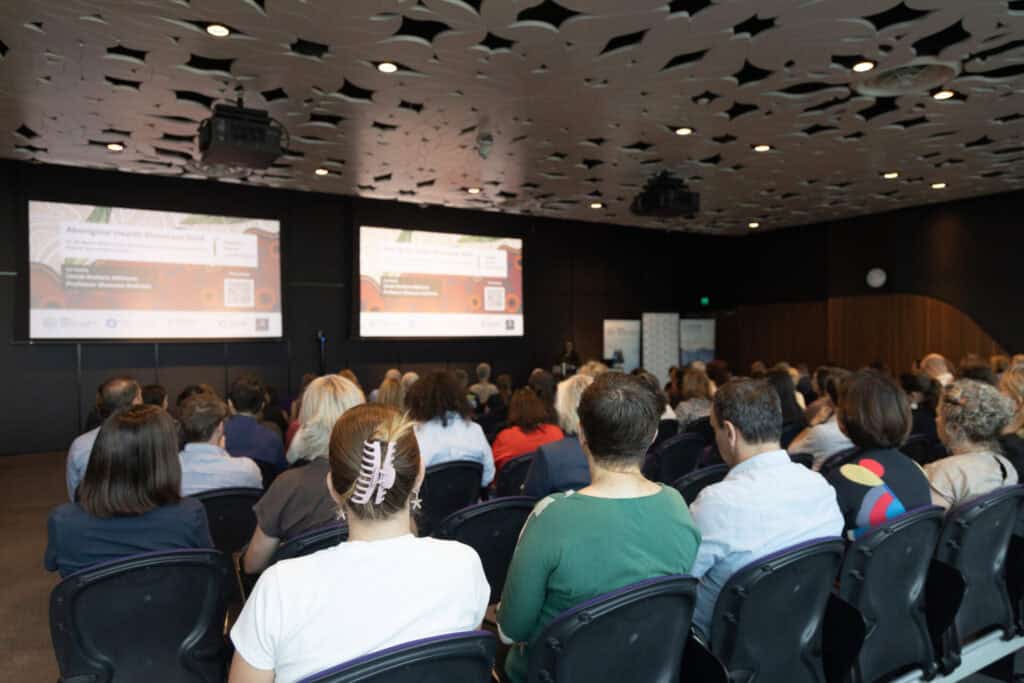
Held at the Peter MacCallum Cancer Centre and online, the Showcase provided a platform for sharing practical examples of culturally safe, community driven approaches across prevention, research innovation and partnership. Presentations and panel discussions reflected the depth and diversity of work underway across health services, community organisations, research institutes and universities.
The second day offered a dedicated, in person space for Aboriginal and Torres Strait Islander attendees, with a focus on strengthening capability, networking and collective leadership. The Showcase reinforced the importance of Aboriginal leadership in shaping health systems and created opportunities for ongoing collaboration across the Victorian health and research sector. You can explore presentations below.

Presentations
With thanks to our presenters, recordings and slides are available below for sessions where consent was provided for public sharing.
The project aimed to seek feedback from First Nations patients and healthcare staff to determine influences on food choices and experiences with meals when they are in hospital.
Presenter: Associate Professor Graham Gee
A Victorian Aboriginal specialist healing service response to healing child sexual abuse
First Nations Community Panels offer a way for health authorities to work collaboratively with Indigenous Peoples in two-way learning, understanding and communication in the design of public-health policy. Panels shaped Bird Flu preparedness, and informed actionable strategies. This Indigenous-led model offers a replicable framework for health systems seeking genuine partnership.
Presenters: Kunal Mahajan, Briony Lamprecht and Sharyn Margheriti
This presentation outlines the AHII Diabetes Program, a First Nations–led, co‑designed initiative strengthening early diabetes identification, prevention and management. Through partnership between First Peoples’ Health and Wellbeing and Bayside Health – Peninsula Care Group, the program embeds cultural safety, improves engagement and follow‑up, and strengthens Community‑driven pathways that support trust, continuity of care and First Nations self‑determination.
Presenter: Associate Professor Ayse Zengin
This presentation shares Indigenous perspectives on bone health from a community-partnered qualitative study in Victoria. Findings highlight the central role of holistic health, connection to Country, physical activity, nutrition and prevention, and emphasise the importance of co-created, culturally safe education approaches to strengthen bone health literacy and support healthy futures for Community.
Presenter: Professor Steve Tong
The Cultural Information Hub is a vital part of the SNAP Trial, an innovative trial evaluating a range of interventions to improve outcomes for patients with Staphylococcus aureus bloodstream infections. The hub is a collection of information and resources that strengthen the cultural accountability of trial Investigators and project staff.
Presenters: Andrew Morrison and Casey Kiss
The experiences of healthcare workers delivering virtual healthcare to our mob. Storytelling of a research collaboration between a Virtual Social Worker and an Aboriginal Employment and Cultural Safety Advisor.
This presentation explores the impact of a pilot First Nations Cancer Coordinator program, through the experiences and perspectives of First Nations peoples living with cancer and their family caregivers.
This project developed a toolkit to guide the implementation of First Nations Cancer Coordinator roles.
In Partnership with

Partner Support
With thanks to the generous support from the Peter MacCallum Cancer Centre and the Indigenous Development Unit in the Faculty of Medicine, Dentistry and Health Sciences at the University of Melbourne.


Acknowledgement of Country
We acknowledge the Traditional Owners of the land on which we live and work, and pay our respects to the Elders, past and present.
Artwork: Gabira by Anjee-Lee Bamblett. For further information on the artwork click here.